Quick Explanation
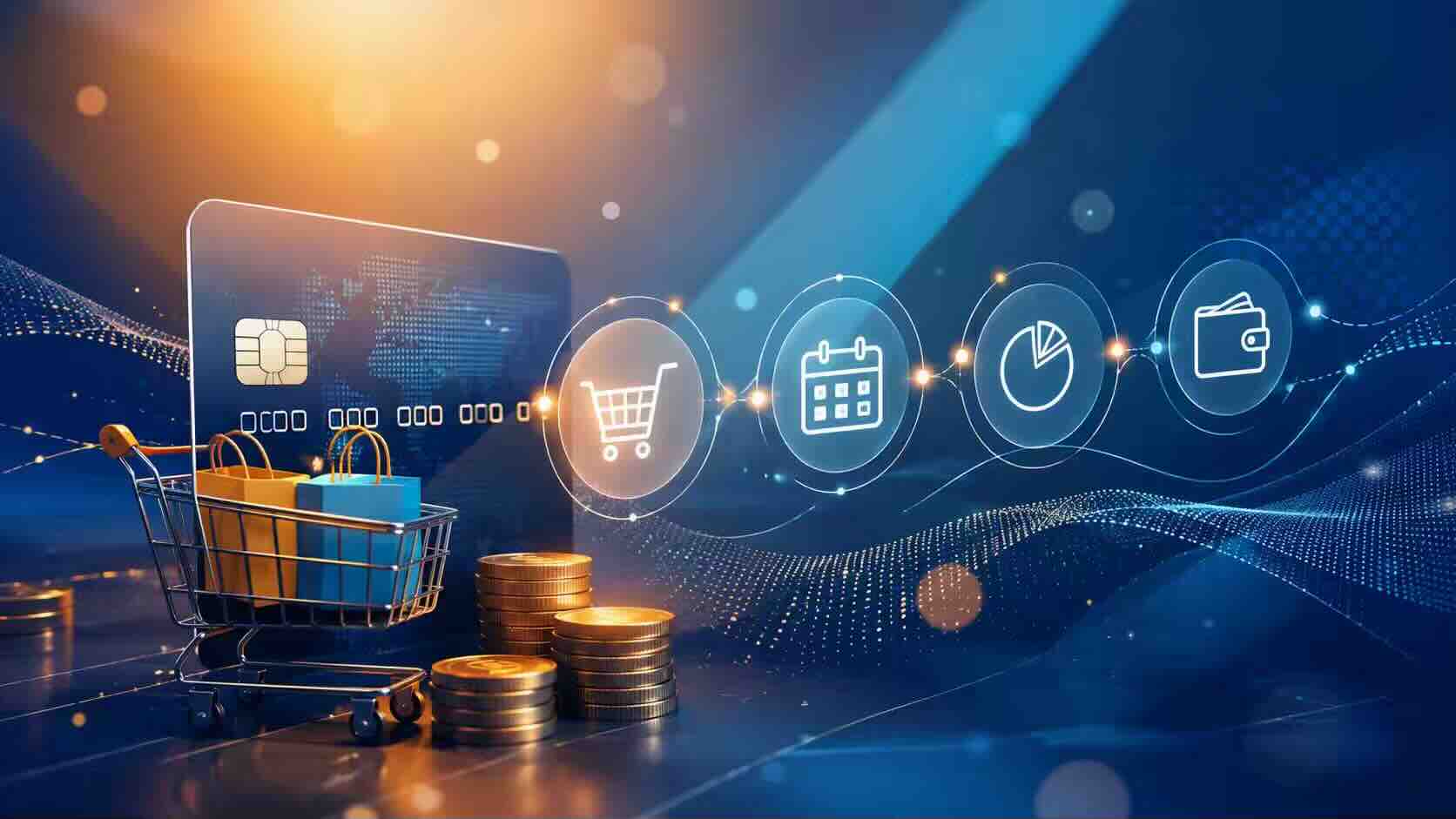
At first glance, No Cost EMI (Equated Monthly Instalments) sounds too good to be true. You buy a product today, pay over several months, and supposedly pay no interest. The reality is a little different. In most cases, the interest isn't eliminated; it is simply paid by someone else, usually the merchant, the manufacturer, or absorbed as part of a promotional offer.
How It Works
Imagine a mobile phone costs ₹60,000 and you choose a six-month No Cost EMI.
Normally, if you convert the purchase into a regular EMI, the bank would charge interest. With a No Cost EMI, however, the seller or the brand often compensates the bank for that interest. As a result, you pay only the advertised price, split into monthly instalments.
Why would a seller do that?
Because selling one phone today is often more valuable than waiting for a customer who may never buy it. By making expensive products feel more affordable, businesses can increase sales and attract more customers.
Banks also benefit. Every credit card transaction generates fees from merchants, known as the Merchant Discount Rate (MDR). In addition, customers may continue using the card for other purchases, strengthening their relationship with the bank.
It's worth noting that not every No Cost EMI is identical. Some retailers provide an upfront discount that effectively offsets the interest charged by the bank. Others directly subsidise the interest. This is why reading the terms and conditions is always important.
Real-Life Example
Suppose you're buying a laptop worth ₹90,000.
Paying the entire amount at once may strain your monthly budget. A No Cost EMI allows you to divide the payment into manageable monthly instalments without increasing the advertised price.
Think of it like a restaurant offering free dessert with a meal. The dessert isn't truly free. The restaurant has already included the cost in its pricing or marketing budget because attracting more customers is worth the expense.
Similarly, No Cost EMI is often a marketing investment rather than a financial gift.
Why It Matters
No Cost EMI has played a significant role in expanding consumer spending in Modern Bharat. It enables more people to purchase smartphones, laptops, home appliances, furniture, and other high-value products without making a large upfront payment.
For consumers, it offers convenience and improved cash flow. For businesses, it increases sales and average order value. For banks, it drives credit card usage and strengthens customer engagement.